Ambiq Featured Blog posts

Treating Mental Health with AR and VR
Augmented reality (AR) and Virtual reality (VR) technologies have always held a foothold in entertainment as they create immersive environments for users to get lost in. The healthcare industry has noted AR and VR applications and is now using the same approach to diagnose and treat mental health illnesses. Roughly one in four American adults

Sean Kettering
Ambiq Latest Blog posts

Dual-Mode Bluetooth Audio: Supporting Classic Audio and LE Audio in One Design
Headphones are among the most familiar Bluetooth® products. Whether listening to music on a phone or joining a call on a laptop, people expect them to connect and function. Delivering that familiar experience while introducing new audio capabilities...

The Internet of Teeth: IoT and Dentistry
The Internet of Things (IoT) is transforming virtually every aspect of our lives, including healthcare. Heart monitoring devices, connected inhalers, and even connected contact lenses allow healthcare providers to enhance their reach outside the...

Staying Safe This Winter with Wearables
As the coldest months approach, learning more about how new technology can keep people safer in harsh conditions becomes more important and relevant. Thanks to the Internet of Things (IoT), wearable devices can potentially keep people safe and even...

Interview with Scott Hanson – Founder and CTO at Ambiq
In a recent interview with SafetyDetectives, Scott Hanson, the Founder and CTO of Ambiq, delved into the creation and evolution of the SPOT platform, which focuses on building the world’s most energy-efficient chips. Originating from Hanson’s time...

Benefits of Computing AI at the Edge
In an era dominated by interconnected technologies, integrating Artificial Intelligence (AI) and computing at the edge — connected devices is revolutionizing how we perceive and interact with smart devices. This integration, often called local...
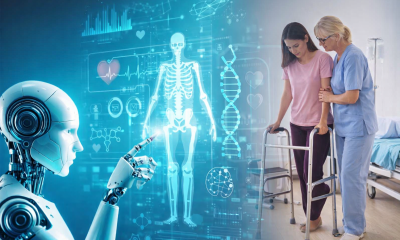
Moving Physical Therapy Forward with IoT
You went for a run and sprained your ankle or pulled something in your back while lifting the couch to find the remote. With millions of injuries per year, it is likely that at some point, you’ll need to see a physical therapist. Roughly 8.6...

Computing AI at Different Power Levels
While artificial intelligence (AI) inferencing may seem seamless in daily applications, product developers and engineers on the backend know how power-hungry AI is. With each finalized product on the market came a calculated compromise to meet their...

Hearing to Heal: How Hearing Aids Can Support Mental Health
Hearing loss affects roughly 430 million people globally1. The anguish someone feels from not being able to hear well has proven to have a startling effect on their mental health. Losing your sense of sound is difficult to adjust to, and many people...

Using AI in Nursing Homes for a Better Retirement
As you or your loved ones become older, questions about retirement will emerge: What kind of care will my loved ones or I receive, or where will we go? For many families, nursing homes are a solution. With over 1.4 million people living in...