Ambiq Featured Blog posts
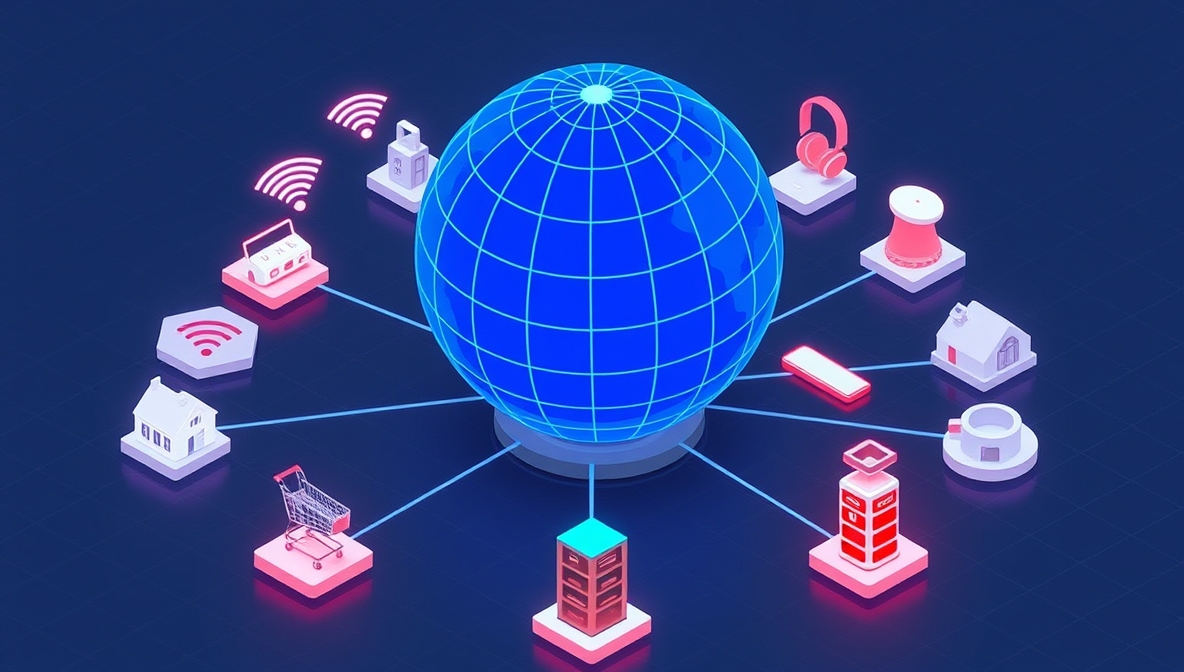
Benefits of Computing AI at the Edge
In an era dominated by interconnected technologies, integrating Artificial Intelligence (AI) and computing at the edge — connected devices is revolutionizing how we perceive and interact with smart devices. This integration, often called local device AI or edge AI computing, is an increasingly popular framework for efficiently collecting and processing data independent of the Cloud.

Sean Kettering
Ambiq Latest Blog posts
4 Steps to Choose an Energy-Efficient Semiconductor for Wearables
Selecting energy-efficient semiconductors for wearables is crucial for enhancing device performance and battery life. Low power consumption, size, processing power, and connectivity are essential criteria that manufacturers must consider. By...

The Lag Effect: What Is Latency in Smart Devices?
In today’s fast-paced, connected world, speed matters, especially when it comes to intelligence. Whether you’re talking to a virtual assistant, relying on a smartwatch for health alerts, or monitoring an industrial sensor for preventive maintenance,...
Power Meets Performance: How Ambiq’s Ultra-Low Power Semiconductors Propel the Future of Edge AI
The Power-Performance Trade-Off—Reimagined For decades, engineers and designers have grappled with a tough choice: do you prioritize higher performance or longer battery life? Historically, these two goals were mutually exclusive. More...
Solving the Memory Challenge of Always-on Edge AI with compressionKIT
Inference gets the attention, but continuous sensor data drives memory, bandwidth, and power constraints. compressionKIT™ reduces data at the source—enabling more efficient, scalable edge AI systems The past few years of edge...
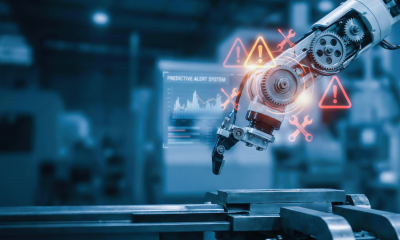
Gauging Failure: How Edge AI is Used to Assess the Health of Industrial Bearings
Edge AI is learning to detect the warning signs of machine failure through vibration analysis of industrial bearings in a more practical, scalable way. An industrial machine bearing does not fail all at once. It will indicate signs through tiny...
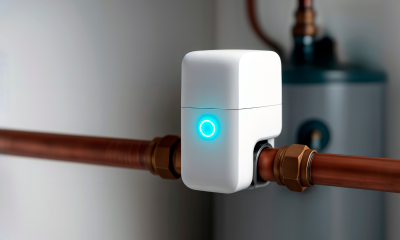
The Future of Intelligent Leak Detection Systems: Why Edge AI Is Moving to the Sensor
The leak detection industry is evolving. For years, monitoring systems focused primarily on collecting and transmitting data. Sensors detected moisture, measured environmental conditions, and generated alerts when predefined...
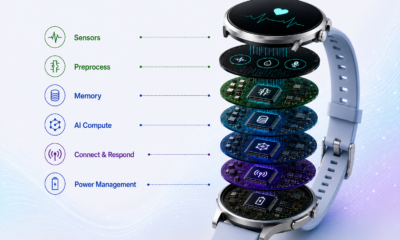
What to Look for in Ultra-Low Power Edge AI Chips
Wearables are becoming smarter, but their batteries aren’t increasing in size proportionally. From health monitoring and activity recognition to always-on voice and emerging AI assistants, wearable devices are increasingly expected to sense,...

Dual-Mode Bluetooth Audio: Supporting Classic Audio and LE Audio in One Design
Headphones are among the most familiar Bluetooth® products. Whether listening to music on a phone or joining a call on a laptop, people expect them to connect and function. Delivering that familiar experience while introducing new audio capabilities...

Ambient Intelligence: A Prescription for Smarter Healthcare
COVID-19 was a catalyst for revealing severe foundational issues in the healthcare industry. While modernization and the adoption of the Internet of Things (IoT) had begun, many hospitals and care providers were still using outdated legacy systems...