






Ambiq Latest Blog posts
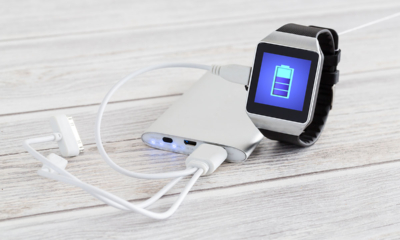
Why Your Smart Wearable Device Must Run on Ultra-Low Power
As wearable devices become more widespread and Internet-of-Things (IoT) capability becomes expected by consumers, the need for ultra-low power is more important than ever. By leveraging ultra-low power solutions such as ultra-low-power processors,...

How Technology Has Made Gaming Experiences More Immersive
Advances in user-centered technology have driven innovation in many aspects of modern life, from devices adapting to the way we live and work to how we play. The gaming experience has improved by leaps and bounds thanks to recent developments in...
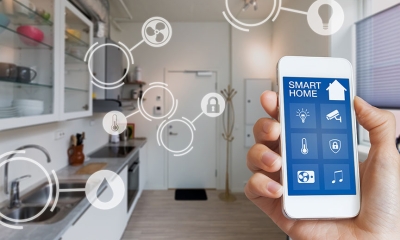
Enabling Smarter IoT Devices with Edge AI
Thanks to the Internet of Things (IoT), there are more connected devices than ever around us. Wearable fitness trackers, smart home appliances, and industrial control equipment are some common examples of connected devices making a sizable impact in...

How Ambiq Helps Reduce CO2 Emissions for a Better and Safe Environment
There’s only one planet Earth, and to the best of our collective knowledge, it’s the only planet that supports life as we know it. While colonizing and terraforming planets like Mars sounds like an intriguing prospect for the future of humanity,...

Introduction to VR/AR/MR – What You Must Know
New head-mounted technologies allow users to interact with the world utilizing new tools and in new dimensions. Connected to a network of never-ending high-definition information, these tools help us take the next leap in virtual interfaces as an...

This Is How Fingerprint Biometrics Killed the Password
Ask anyone, and they’ll tell you it’s a pain to remember different passwords for different websites. Most Internet user recycles their passwords for multiple accounts, using on average a single password to access five accounts. Today, many...

Arm Enables the Lowest Power IoT Devices with New Ambiq Apollo4 SoC on TSMC 22nm ULP and ULL Libraries
As the world looks set to add billions of smart devices in the coming years, energy efficiency is critical to enable IoT devices connected 24/7. In the past, most IoT designs have been implemented in 40nm or larger geometries, but today we see many...
How to Optimize Your Health Using Smart Home Technology
With COVID-19 cases on the rise across the globe, it has become increasingly important for individuals to be proactive about their health. Digital diagnostics and telehealth during the pandemic have played a major role in...

2021 IoT Trends: More Intelligence at the Edge Devices
The Internet of Things (IoT) has had a profound impact on our lives. Many IoT-connected devices such as smartphones, fitness trackers, smart speakers, and surveillance devices in homes or businesses have already become a crucial part of many...
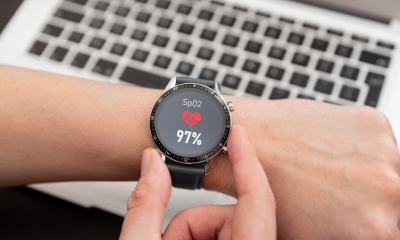
Biometrics in Healthcare: The Future Is Now
In this pandemic era, the topic of personal health is on everyone’s minds. Many are concerned with illness prevention, while others are seeking ways to maintain their wellbeing. Regardless of intentions, we all want to live a healthier...

How We Can Enable Intelligence on Edge Devices
Connected devices are becoming more intelligent, becoming more capable of making real-time decisions. Thanks to IoT technology advances, edge devices can process data right on the device itself without needing to send information to the...
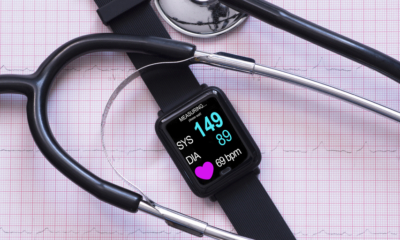
Why Medical Wearables Are the Future of IoT in Healthcare
To say the IoT market has snowballed in recent years would be an understatement. The global IoT in healthcare market size is projected to grow to 188.2 billion dollars by 2025. Industries such as home healthcare and remote patient monitoring...