The Internet of Things (IoT) revolutionizes every aspect of modern-day life. From personalized shopping recommendations in apps to smart mirrors that measure fluctuating body mass index measurements daily, IoT is blending the real and virtual worlds in countless ways. However, many consumers don’t see the “behind the scenes” IoT transformation like indoor smart farming. Thanks to IoT, farming technology has changed drastically in the last 20 years and is poised to revolutionize the coming decades of food production. Even animal husbandry has benefitted from IoT innovations!
根据联合国粮食及农业组织的预测,到 2050 年,全球人口将达到惊人的 97 亿,这将迫使粮食产量在未来三十年增加 70%。2023 年,全球已经出现粮食短缺,高达 23 亿人处于中度或严重粮食不安全状态。随着人口爆炸,粮食生产怎么可能跟得上?
智能室内农业市场
The explosive indoor farming technology market is expected to grow at an astounding 9.4% compounded annual growth rate (CAGR), reaching a valuation of $24.8 billion by 2026. Between 10%-50% of farmers already use IoT, which will increase as technology becomes more accessible and affordable. This growth is also expected to continue revolutionizing food production and agriculture, especially in food-insecure areas.
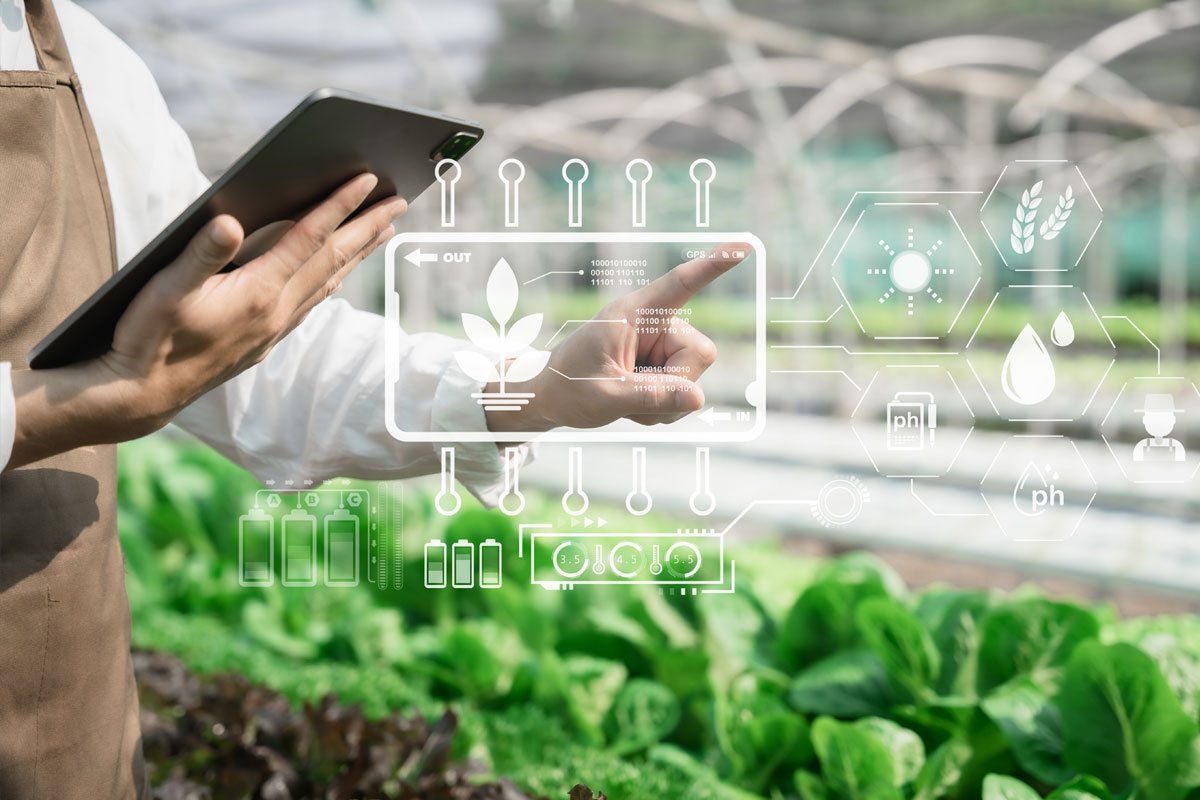
Smart indoor farming is the process of bringing agricultural infrastructure indoors and leveraging advanced technology like machine learning, predictive analysis, artificial intelligence, and data to track, monitor, and analyze food production. Growers can be more consistent, reduce resource consumption, and mitigate the effects of inopportune weather. Even for more stable food production, IoT-based farming methods support natural resources without depleting them.
智能室内农业的优势
智能室内农业为种植者带来了众多优势,从而也为人类带来了众多优势。即使对于希望在小公寓里种植草药或蔬菜的普通消费者来说,智能室内种植也能提供便利性、提高产量和一致性,鼓励跨地区的可持续发展和自给自足。
与传统耕作方法相比,作物产量更高
室内垂直耕作等概念可以提高作物产量,原因有几个。首先,由于种植床使用的是垂直空间而不是水平空间,因此可以在更小的空间内生产更多的食物。其次,对天气敏感的作物也能免受酷暑或严寒等外界因素的影响,确保获得更大的收成。
降低效率和不可预测性
智能室内养殖提供了生长环境的一致性和稳定性;从灌溉、湿度、风力到阳光,室内养殖的条件都可以人为地稳定下来。
减少用水和杀虫剂
室内智能农业可以节约资源;由于作物不会暴露在恶劣的天气中,因此需要的水和杀虫剂更少。一些研究估计,室内耕作可减少 99% 的用水量。
对气候变化不那么敏感
热浪等不稳定的天气变化和恶劣的气候变化会对某些作物造成极大的破坏。即使每年气温上升一度,也会导致室外植物死亡或严重影响其生产,因此室内种植使粮食生产对气候变化的反应更小。
更稳定的收成
当生长条件稳定持续时,农民可以获得更稳定、更可预测的收成。农作物可以全年生长,只需较少的资源,所需的人工干预也较少,从而减少了人为失误的空间。
利用物联网实现室内智能农业
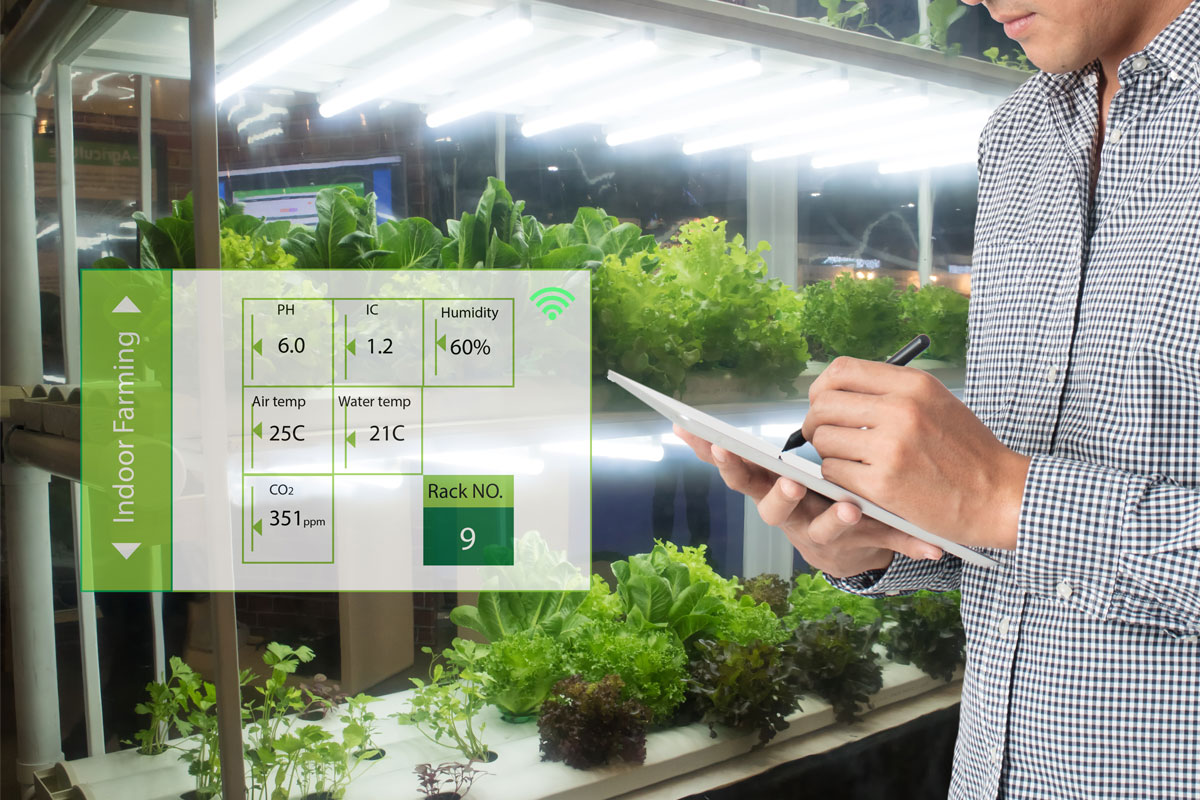
那么,室内农业究竟是如何 "智能 "的呢?首先,大多数室内农场依靠物联网设备来控制和监测湿度、温度、土壤湿度和执行器。农场主可以远程控制植物灌溉模式,检查疾病,优化植物生长和产量。物联网传感器实时收集数据,并通过网站或应用程序将数据传送给种植者。农场主可以根据战略数据分析变化并做出决策,甚至可以向平台上的其他农场学习。
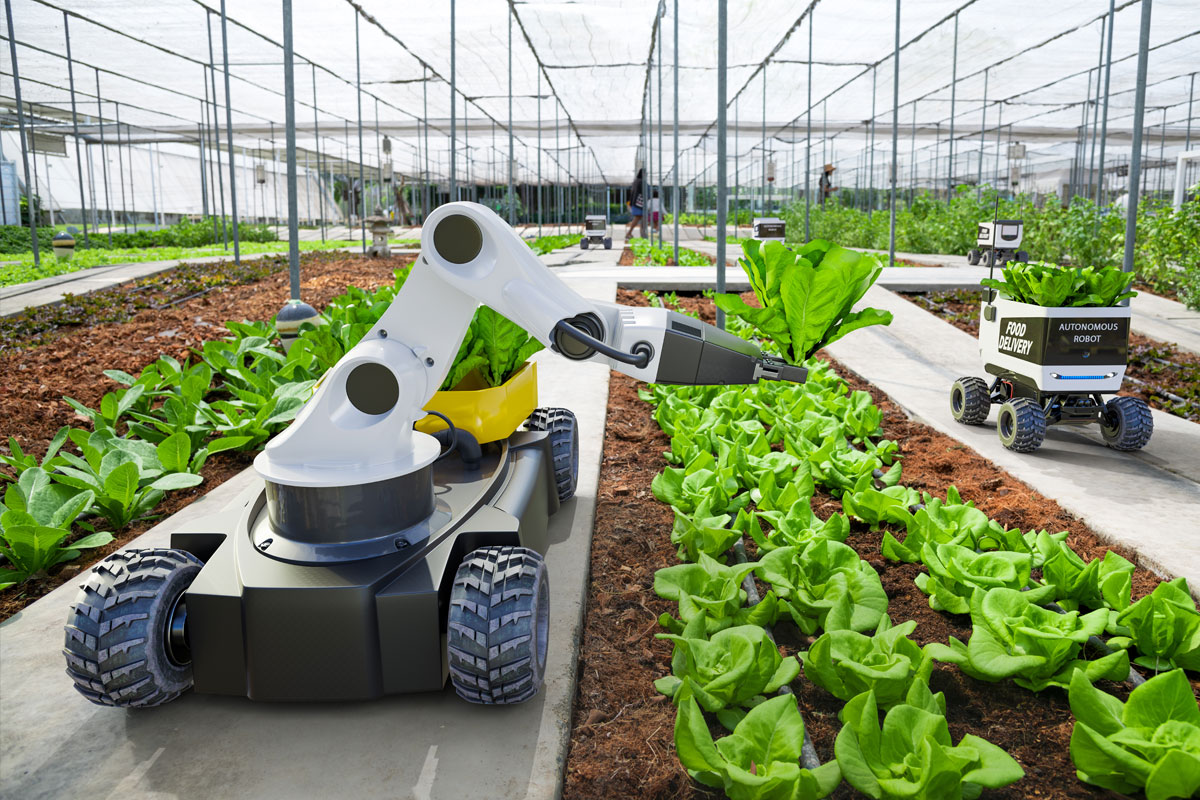
值得关注的智能农业公司
没有什么比看到这些复杂、难以理解的概念变成现实更令人激动的了。让我们来看看几家颠覆农业自动化的公司,它们让追求可持续发展和自给自足的普通消费者更容易接受农业自动化:
Seedo
Seedo水培种植系统面向家庭园艺师,提供全自动、独立的种植箱,用于种植蔬菜、香草、花卉和一些水果。种植者可以使用带有实时流媒体功能的高清内置摄像头,并通过一个应用程序快速访问所有重要数据。
Growlink
有了Growlink,农民可以体验实时作物监测、数据分析和警报,从而提高生产率。通过集成软件、硬件和传感器,农民可以生产出最好的作物。
哥谭绿地
2021 年,将有1830 万户家庭开始自己的园艺冒险,智能室内农业让每个人都更容易获得粮食生产。Gotham Greens 在纽约和芝加哥提供屋顶城市温室,与传统种植方法相比,可减少 95% 的用水和 98% 的用地。物联网提供气候监测,并根据学习结果进行实时调整。
RBTX
RBTX是苏格兰 Intelligent Growth Solutions 公司推出的一款智能系统,可管理光照、温度、湿度、水分、养分和二氧化碳含量。该系统可进行远程监控和 100% 的机器人操作,并将数据传输到用户友好的 SaaS 平台。
Growy
作为一个垂直室内农场,Growy正在解决滥用杀虫剂以及摄入大量杀虫剂对健康造成影响的问题。他们的垂直种植结构占用的空间更小,可以在更小的面积内提高粮食产量。它们还能让莴苣等对天气敏感的作物在不使用大量杀虫剂和化学品的情况下更快地生长。
Ambiq 如何做出贡献
With smart indoor farming, all AI-enabled garden structures are powered by devices that require extended battery life and optimized performance. These devices must run around the clock, provide countless data points from sensors measuring temperature, humidity, soil moisture, and more, and aggregate them in a way that farmers can understand. Built on our patented Sub-threshold Power Optimized Technology (SPOT®) platform, Ambiq’s products reduce the total system power consumption on the order of nanoamps for all battery-powered endpoint devices.