Recent advances in technology have redefined the exercise experience both at home and in the gym. While the trend in virtual fitness has been ramping up for several years, the COVID-19 pandemic accelerated its growth. Homebound consumers, especially those invested in their health and wellness, were eager to build out their home gyms with the latest gadgets and apparel. Fitness equipment manufacturers quickly switched their focus by moving business online. The entire fitness industry, including gyms, personal trainers, and studio boutiques, also pivoted to offering digital fitness options. As a result, the pandemic sales of fitness equipment skyrocketed during the last couple of years. This article will examine how in-person health and fitness extend into digital and virtual fitness and the types of connected fitness options available to enhance the workout experience.
面對面到混合健身
While the pandemic undoubtedly changed many aspects of our day-to-day lives, it saw many people reevaluate their health and fitness. In the first half of 2020 alone, fitness app downloads grew by nearly 50%. Therefore, it’s not surprising that fitness technology companies responded with enthusiasm, bringing a huge range of wearables, trackers, fitness platforms, and more to market. Thanks to this rapid progress and the vast global adoption of wearable technology, the connected fitness market will reach $15.96 billion by 2026.
物聯網整合創造引人入勝的鍛鍊體驗

2020 年東京夏季奧運會是最早利用人工智慧和物聯網 (IoT) 技術的全球賽事之一,該奧運會使用 VR 技術和軟體演算法為觀眾創造身臨其境的體驗。
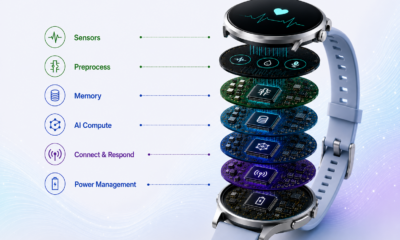
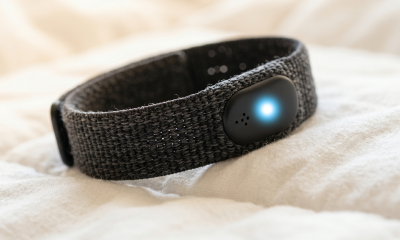
Wearables for fitness are wireless, battery-operated devices that use sensors and software to track and analyze every workout component. There are connected devices that monitor and control everything from acceleration, speed, and distance to tracking a user’s biometrics to analyze their physical state. Data collected can be streamed to a tablet or a phone, enabling personal trainers or AI-powered apps to make more accurate decisions about the user’s fitness. For instance, sensors can be attached to a bike to collect data, including speed, resistance, revolutions per minute, and heart rate. The data is displayed for the user to see and distributed to others participating in the same live-stream event to increase engagement and make exercise at home more entertaining.
疫情期間家庭鍛煉熱潮的最大贏家之一是 Peloton® 及其配備顯示器的固定自行車和跑步機,人們可以在家使用。人們可以選擇直播鍛煉,甚至可以將他們的活動與全球用戶排行榜同步。
AI 技術實現準確和個性化的鍛煉計劃
互聯健身允許用戶獲得與在健身房相同的個人體驗。就像私人教練會評估您的優勢和劣勢並相應地調整您的鍛煉一樣,連接的健身應用程序會監控一個人的活動以提供實時反饋。透過分析用戶的數據,這些應用程式可以創建量身定制的運動計劃,以提高他們的健康狀況並幫助他們最大限度地鍛煉。例如,Liteboxer® 是一種互聯拳擊鍛煉,可適應用戶的技能水平和健身目標。Liteboxer 移動應用程序和 LED 墊的組合將跟踪進度並與用戶喜愛的音樂的節奏同步。
虛擬和擴增實境帶來「面對面」體驗
Augmented reality (AR) and virtual reality (VR) technologies have transformed the fitness experience to make working out a fun experience. It’s now possible to combine a full-body workout with playing video games. Gamification has become an effective way to encourage users to participate in regular exercises. For instance, the Oculus® Quest 2 uses virtual coaches, while the Oculus Move fitness tracker keeps track of the user’s moves, burned calories, and heart rate while playing their video games. Users can also combine VR fitness services such as FitXR and Supernatural with the Oculus Quest headset so users can have trainer-led VR sessions or immerse themselves in a fictional world.
全渠道健身滿足不同需求
將健身房和數位家庭鍛鍊相結合,有助於健身提供者接觸更廣泛的消費者群,並滿足各個健身水平的廣泛需求。數位連接的家庭鍛鍊日益成為許多健身房長期數位產品的重要補充,大多數人選擇健身房和家庭鍛鍊之間的 60:40 分配 。

互聯健身的未來
過去兩年改變了健身行業,互聯健身 實現了創紀錄的銷售額。數位健身使健康和健身提供者能夠擴大其目標市場,同時提供增強的用戶體驗。AI、VR 和物聯網創建了獨特的應用程序解決方案,以有效改善家庭鍛煉體驗。用戶仍然可以從社區中受益,在健身房或健身課程中親身體驗,並方便地在適合他們的時間和地點鍛煉。用於直播課程的數字流媒體應用程序可以復制人們從面對面的小組課程中享受的一些社交和社區方面。但這種互聯健身的趨勢不會完全取代健身房或健身精品店。相反,我們可以期待看到混合健身的增長趨勢,將傳統的健身房體驗與數位功能相結合。
Ambiq 如何貢獻
Wearable devices require reliable and ultra-low-energy components for a seamless user experience. Since these devices continually collect health data, their processors must be optimized to perform these tasks on a low electric charge. Ambiq’s Apollo series of System on Chips (SoCs) can enable wearables to last for days or even weeks on a single charge.
Through the advanced Sub-threshold Power Optimized Technology (SPOT®) platform, Ambiq has helped many leading manufacturers worldwide create products that can operate for days, months, and sometimes years on a lithium battery or a single charge. Visit ambiq.com/wearables for more information.