Recent advances in technology have redefined the exercise experience both at home and in the gym. While the trend in virtual fitness has been ramping up for several years, the COVID-19 pandemic accelerated its growth. Homebound consumers, especially those invested in their health and wellness, were eager to build out their home gyms with the latest gadgets and apparel. Fitness equipment manufacturers quickly switched their focus by moving business online. The entire fitness industry, including gyms, personal trainers, and studio boutiques, also pivoted to offering digital fitness options. As a result, the pandemic sales of fitness equipment skyrocketed during the last couple of years. This article will examine how in-person health and fitness extend into digital and virtual fitness and the types of connected fitness options available to enhance the workout experience.
イン・パーソン・フィットネスからハイブリッド・フィットネスへ
While the pandemic undoubtedly changed many aspects of our day-to-day lives, it saw many people reevaluate their health and fitness. In the first half of 2020 alone, fitness app downloads grew by nearly 50%. Therefore, it’s not surprising that fitness technology companies responded with enthusiasm, bringing a huge range of wearables, trackers, fitness platforms, and more to market. Thanks to this rapid progress and the vast global adoption of wearable technology, the connected fitness market will reach $15.96 billion by 2026.
IoTの統合が魅力的なワークアウト体験を生み出す

AIとモノのインターネット(IoT)技術を活用した最初の世界的イベントのひとつが、 東京2020夏季オリンピックで、VR技術とソフトウェア・アルゴリズムを使って視聴者に没入体験を提供した。
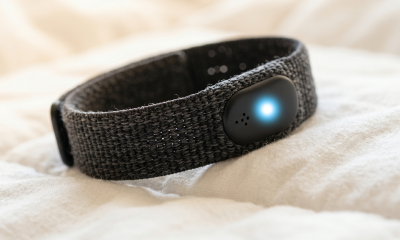
Wearables for fitness are wireless, battery-operated devices that use sensors and software to track and analyze every workout component. There are connected devices that monitor and control everything from acceleration, speed, and distance to tracking a user’s biometrics to analyze their physical state. Data collected can be streamed to a tablet or a phone, enabling personal trainers or AI-powered apps to make more accurate decisions about the user’s fitness. For instance, sensors can be attached to a bike to collect data, including speed, resistance, revolutions per minute, and heart rate. The data is displayed for the user to see and distributed to others participating in the same live-stream event to increase engagement and make exercise at home more entertaining.
パンデミック時の自宅ワークアウトブームで最大の勝者となったのは、ペロトン(Peloton®)とそのモニター付きステーショナリーバイクとトレッドミルだ。人々は、ワークアウトをライブストリーミングすることを選択でき、さらにユーザーによる世界的なリーダーボードと活動を同期させることもできる。
正確でパーソナライズされたワークアウトプランのためのAI技術
コネクテッド・フィットネスは、ジムで受けるのと同じパーソナルな体験をユーザーに提供する。パーソナル・トレーナーがあなたの長所と短所を評価し、それに応じてワークアウトを調整するように、コネクテッド・フィットネス・アプリは人の活動をモニターし、リアルタイムでフィードバックを与える。ユーザーのデータを分析することで、アプリはフィットネスを向上させ、運動を最大化するためのオーダーメードのワークアウトプランを作成することができる。例えば、Liteboxer®はコネクテッド・ボクシング・ワークアウトで、ユーザーのスキルレベルとフィットネス目標に適応する。Liteboxerモバイル・アプリとLEDパッドを組み合わせることで、進捗状況を追跡し、ユーザーの好きな音楽のリズムと同期する。
仮想現実と拡張現実による「対面」体験
Augmented reality (AR) and virtual reality (VR) technologies have transformed the fitness experience to make working out a fun experience. It’s now possible to combine a full-body workout with playing video games. Gamification has become an effective way to encourage users to participate in regular exercises. For instance, the Oculus® Quest 2 uses virtual coaches, while the Oculus Move fitness tracker keeps track of the user’s moves, burned calories, and heart rate while playing their video games. Users can also combine VR fitness services such as FitXR and Supernatural with the Oculus Quest headset so users can have trainer-led VR sessions or immerse themselves in a fictional world.
オムニチャネル・フィットネスはさまざまなニーズに応える
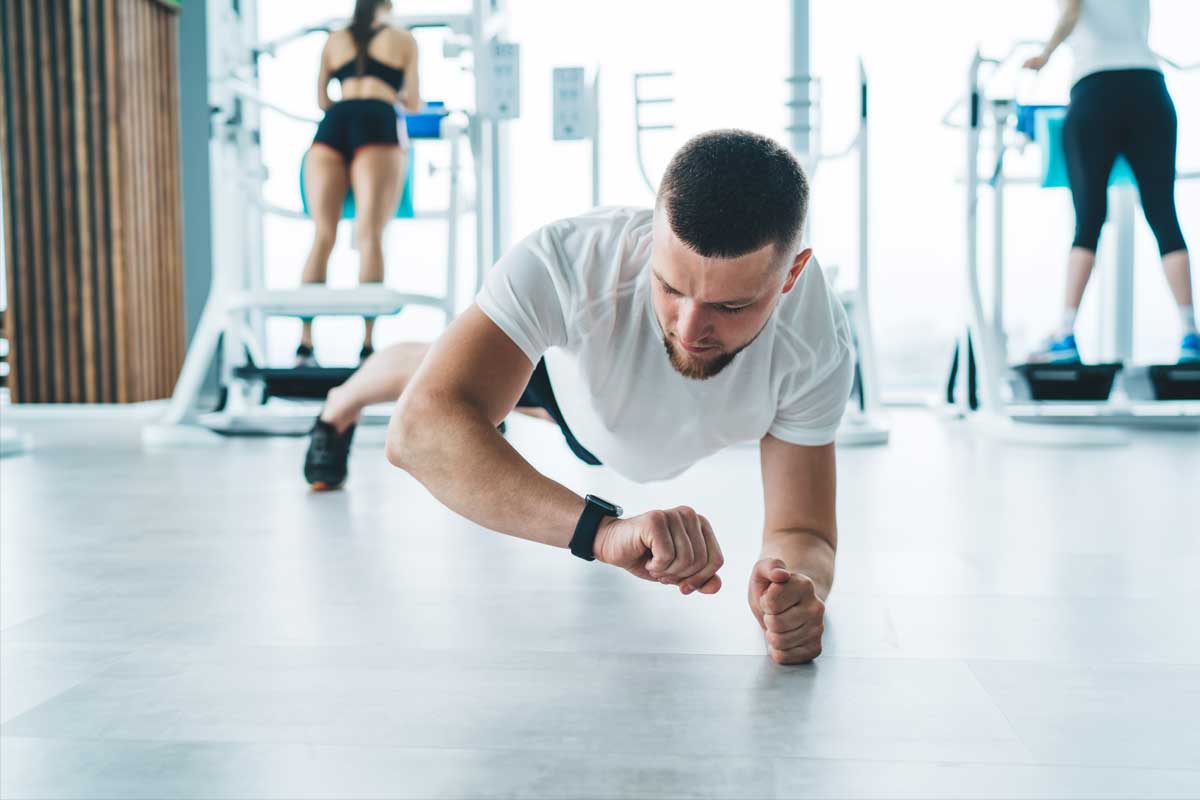
ジム内ワークアウトとデジタル・ホーム・ワークアウトを組み合わせることで、フィットネス・プロバイダーはより幅広い消費者層にリーチし、あらゆるレベルのフィットネスの幅広いニーズに応えることができます。デジタル接続されたホーム・ワークアウトは、多くのジムが長期的に提供するデジタル・サービスの重要な追加となりつつあり、ほとんどの人がジムとホーム・ワークアウトを60:40の割合で選択しています。

コネクテッド・フィットネスの未来
この2年間で、フィットネス業界は一変し、コネクテッド・フィットネスが記録的な売上を達成しました。デジタルフィットネスにより、ヘルス・フィットネス・プロバイダーはターゲット市場を広げると同時に、より充実したユーザー体験を提供できるようになった。AI、VR、IoTは、自宅でのワークアウト体験を効果的に改善する独自のアプリ・ソリューションを生み出す。ユーザーは、ジムやフィットネスクラスにいるようなコミュニティや対面式体験の恩恵を受けながら、自分の都合の良い時間や場所でワークアウトできるという利便性を享受することができます。ライブ・クラス用のデジタル・ストリーミング・アプリは、人々が対面式グループ・クラスから享受するソーシャルでコミュニティ的な側面の一部を再現することができる。しかし、このコネクテッド・フィットネスのトレンドは、ジムやフィットネス・ブティックに完全に取って代わるものではない。むしろ、伝統的なジム体験とデジタル機能を組み合わせた、ハイブリッド型フィットネスの傾向が強まることが予想される。
Ambiqの貢献
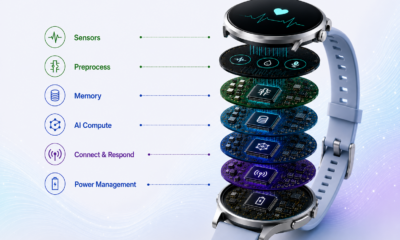
Wearable devices require reliable and ultra-low-energy components for a seamless user experience. Since these devices continually collect health data, their processors must be optimized to perform these tasks on a low electric charge. Ambiq’s Apollo series of System on Chips (SoCs) can enable wearables to last for days or even weeks on a single charge.
Through the advanced Sub-threshold Power Optimized Technology (SPOT®) platform, Ambiq has helped many leading manufacturers worldwide create products that can operate for days, months, and sometimes years on a lithium battery or a single charge. Visit ambiq.com/wearables for more information.