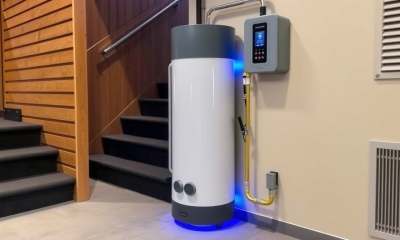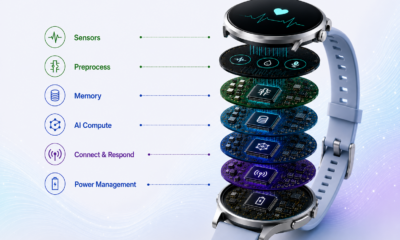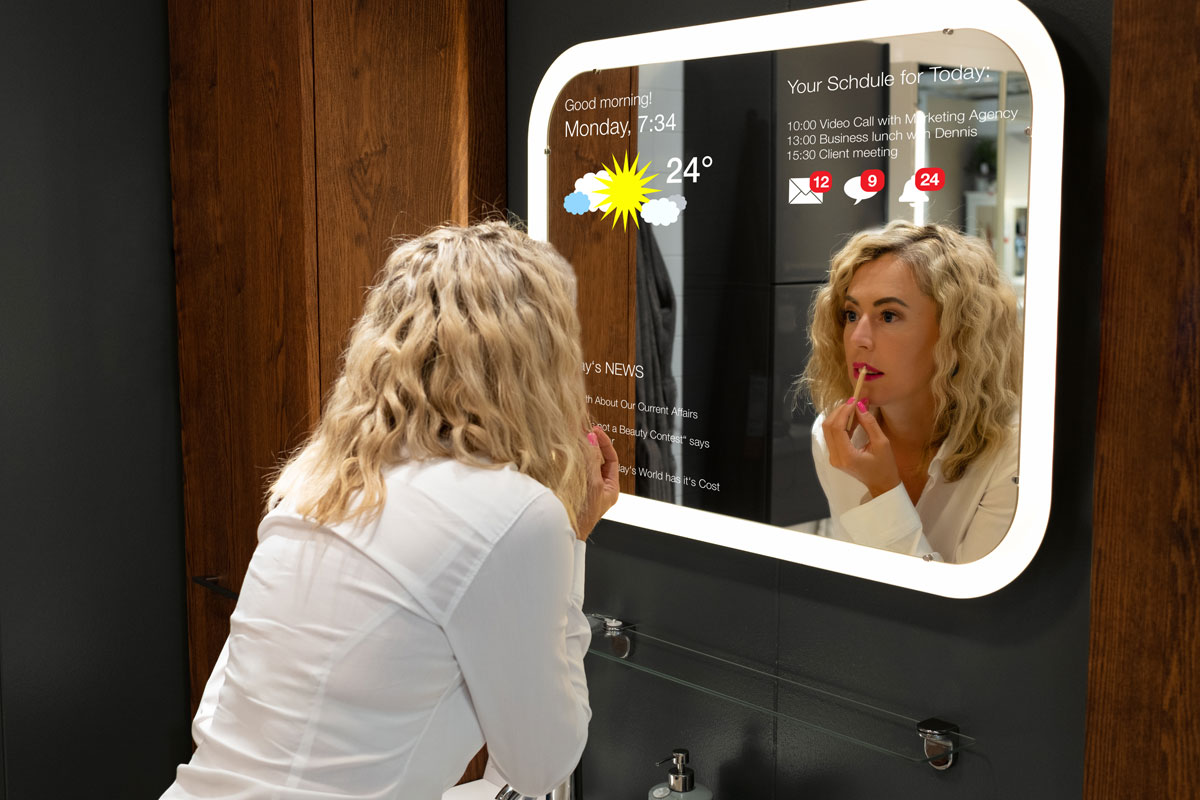
Smart green homes feature smart connected devices that can help reduce fossil fuels’ use for home cooking and heating and limit energy expenditure. These always-on devices include water detection systems, smart thermostats, smart lights, and predictive maintenance systems that can help lower energy usage, conserve water, and help homeowners save money. Why is this important to the homeowner and the environment? Almost 40% of the world’s carbon dioxide emissions come from real estate, and while just 30% comes from construction, the remaining 70% comes from how the buildings are operated.
As global climate goals demand sharp emission reductions, smart homes can also be green homes, offering a new frontier for green living. This post will examine the different smart home device options available and how they can lead to better environmental outcomes.
绿色智能家居技术
住宅必须适应生态友好型实践,以帮助我们迈向更加绿色的未来。幸运的是,得益于物联网(IoT),技术与能效齐头并进,帮助智能家居转型为绿色家居。下面是一些绿色智能家居技术的例子:
运动检测智能照明
基于运动的智能照明意味着,当你离开房间时,不必记得关灯。通过将智能灯与运动探测器系统相结合,您可以减少 35% 到 75% 的能源消耗,具体取决于您家的面积和活动水平。
家庭自动化和家电
Home automation enables people to save energy by ensuring their homes use resources such as electricity and water more efficiently to help reduce waste. Smart home automation systems allow you to control everything from your mobile device, potentially reducing energy consumption by up to 15%, equivalent to 200m tons of CO2. While smart home technology can control your lights, climate, media, air conditioning, and hot water, it can even power smart appliances such as an oven, refrigerator, and coffee maker. You can turn these smart appliances off even when you’re not at home, helping you reduce your energy consumption.
智能恒温器
虽然调节恒温器会给您的居家舒适度带来很大不同,但它可能会增加能源消耗和燃料账单,从而带来更大的不同。但有了智能恒温器,您就可以安排暖通空调在一天中的不同时段运行,跟踪您的能源使用情况,甚至在您不在家时也能控制家中的温度,根据Google®Nest 的数据,这样可以节省12% 的取暖费用和 15% 的制冷费用。
智能灌溉系统
室外用水量平均占家庭总用水量的三分之一,但在更干燥、更干旱的地区,室外用水量可高达家庭总用水量的 60%。在传统的浇灌方法中,由于风力、蒸发和径流等原因,我们在室外使用的水有多达一半会流失掉。幸运的是,智能灌溉系统配有传感器,可提供实时数据,从而避免浇水不足或浇水过多,最大限度地减少浪费。
检漏传感器
The average US household wastes around 180 gallons of water per week, or 9,400 gallons annually. Fortunately, there are IoT devices that can help you save water. For instance, IoT leak-detecting sensors monitor water flow and will alert the homeowner if it detects a leak. Some sensors may also cut off the water supply if it detects moisture.
插头和电源线
智能插头和电源插座是让任何电气设备变得更智能的一种既便宜又简单的方法。只需将它们插入标准插座,添加任何带电源开关的设备,连接一个应用程序,就大功告成了。出门忘了关电视?只需用智能手机远程关闭即可!插座甚至可以设置为按您自己的时间表开启或关闭,从而减少闲置电力的使用和成本。
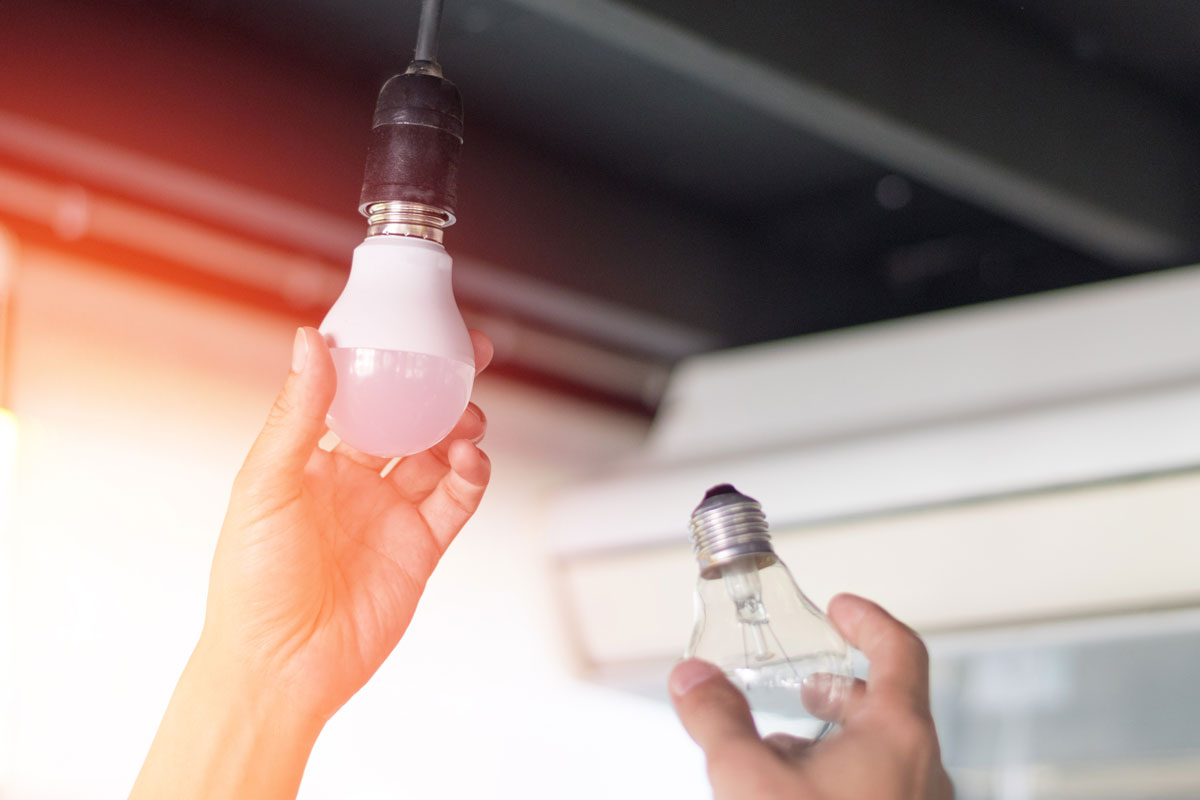
LED 灯泡
智能 LED 灯泡的能效是白炽灯的六倍,使用时间长达 25000 小时,因此性价比相当高。此外,由于智能灯泡可以通过智能手机进行远程控制,因此很容易设定每日的节能时间表。如果灯不小心开着,你甚至可以收到通知。
预测性维护
物联网技术将智能家居设备从手动和被动式转变为自动和主动式。利用预测性维护,如果设备性能不佳或出现故障,传感器就会提醒房主该进行维修或更新了。这样可以节省资金和能源,减少电子垃圾,因为房主可以及时维修设备,而不是将其扔掉。预测性维护还能让服务提供商以更高效的方式为家庭提供服务。
家庭智能绿色技术为房主和地球带来了诸多益处。它是减少浪费、降低家庭碳足迹、节省开支并提高家庭生活质量的最有效方法之一。
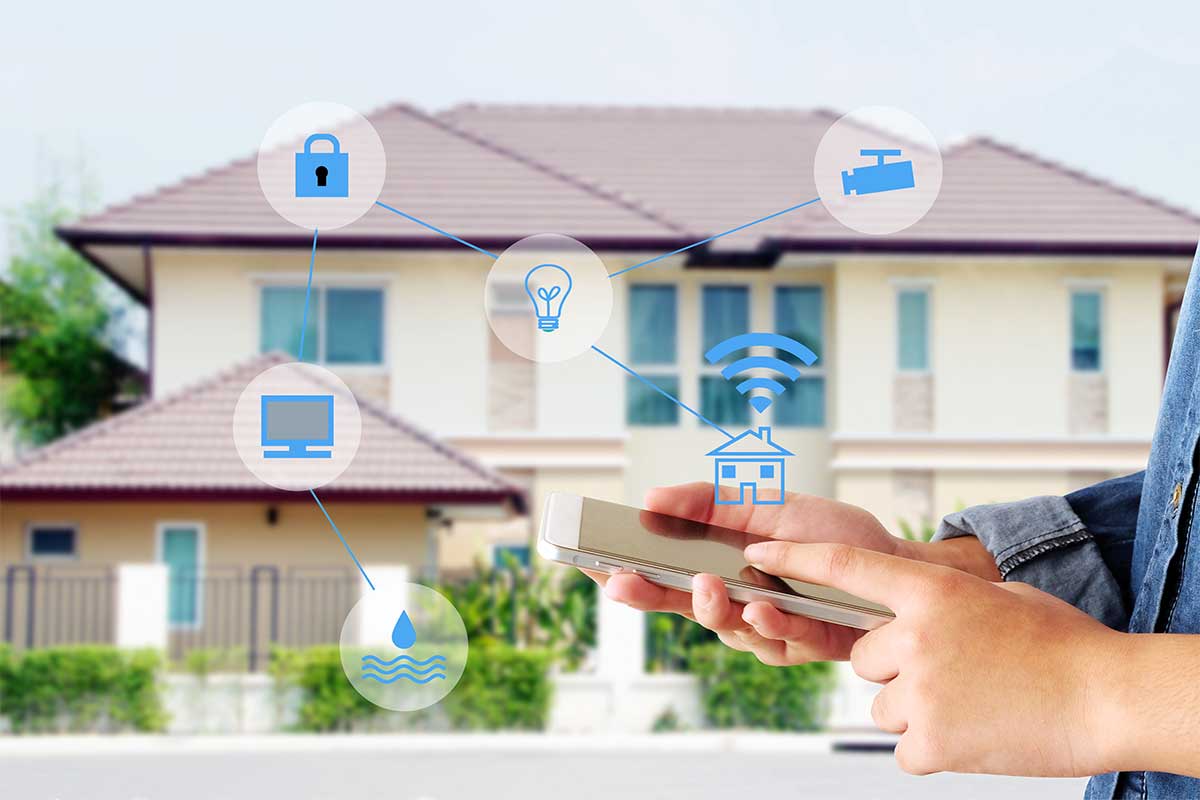
Ambiq 如何做出贡献
Ultra-low power SoCs from Ambiq® can support key technologies required by connected homes and smart buildings, such as Bluetooth® Low Energy. Indeed, our products are at the heart of millions of edge devices that are the building blocks of the IoT world and smart building management.
Built on our patented Sub-threshold Power Optimized Technology (SPOT®) platform, Ambiq’s products reduce the total system power consumption on the order of nanoamps for all battery-powered edge devices.