New technology is emerging every day and evolving at a breathtaking pace. Artificial intelligence (AI), the Internet of Things (IoT), and machine learning are the driving forces in improving energy efficiency, helping businesses reduce costs, enhancing customer experience, and increasing profits. So which IoT devices are gaining the most traction, and which tech trends should we be prepared for? Here we will look at some of the emerging tech trends to watch in 2023 and how they may affect your life and your job.
人工智慧在零售業的廣泛應用
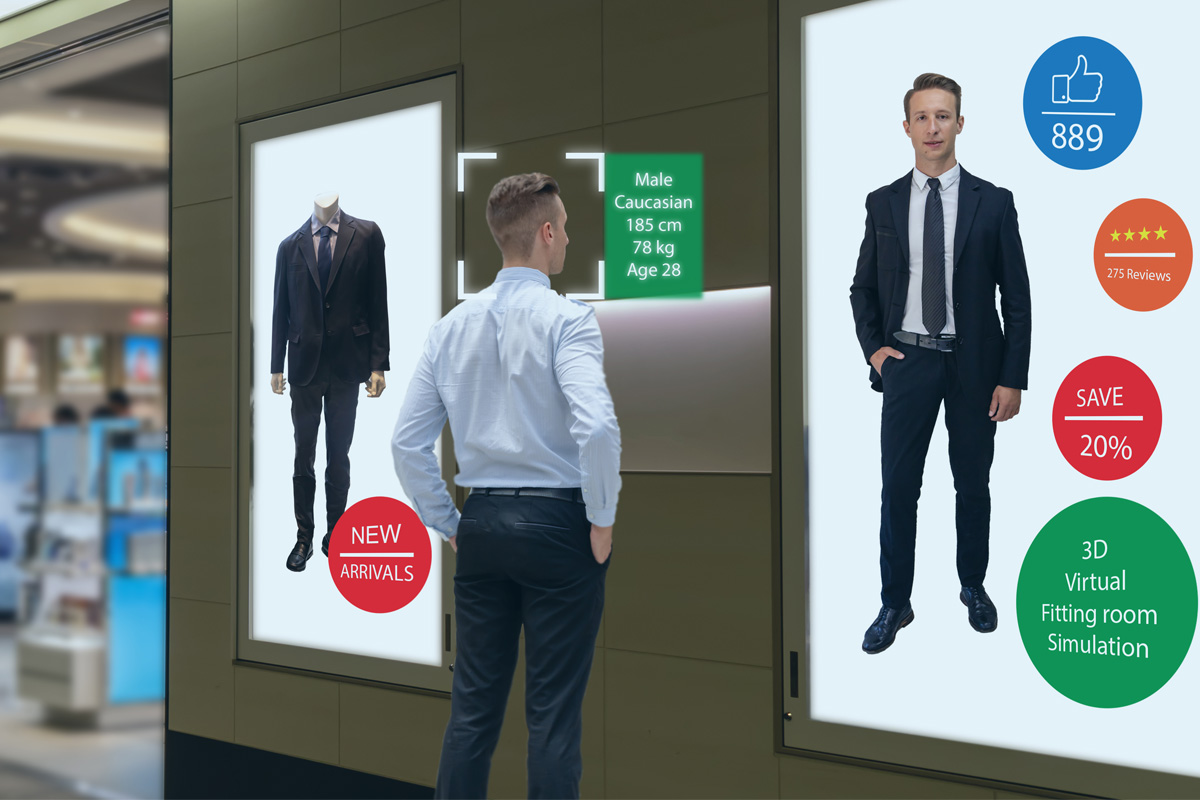
零售商可能會在未來 12 個月內經歷多次轉變,這可能會極大地改變他們的運營。人工智慧正在成為所有市場領域的現實,無程式碼人工智慧使零售商能夠利用其力量創造更智慧的服務和產品。這一趨勢在零售市場上已經很明顯, Stitch Fix 是一項線上個人造型服務,使用人工智慧演算法,向顧客推薦符合其尺寸和偏好的服裝。
Autonomous, contactless shopping and delivery will be a huge trend, making paying for and receiving services and goods much easier with AI. Shoppers can look forward to more accurate product recommendations based on purchase history, faster checkout times, smoother browsing, and a more enjoyable retail experience. Retailers may also start using automated technologies like robotic process automation (RPA) to streamline logistics, such as order fulfillment and inventory tracking.
元宇宙、AR 和 VR 將取得進步
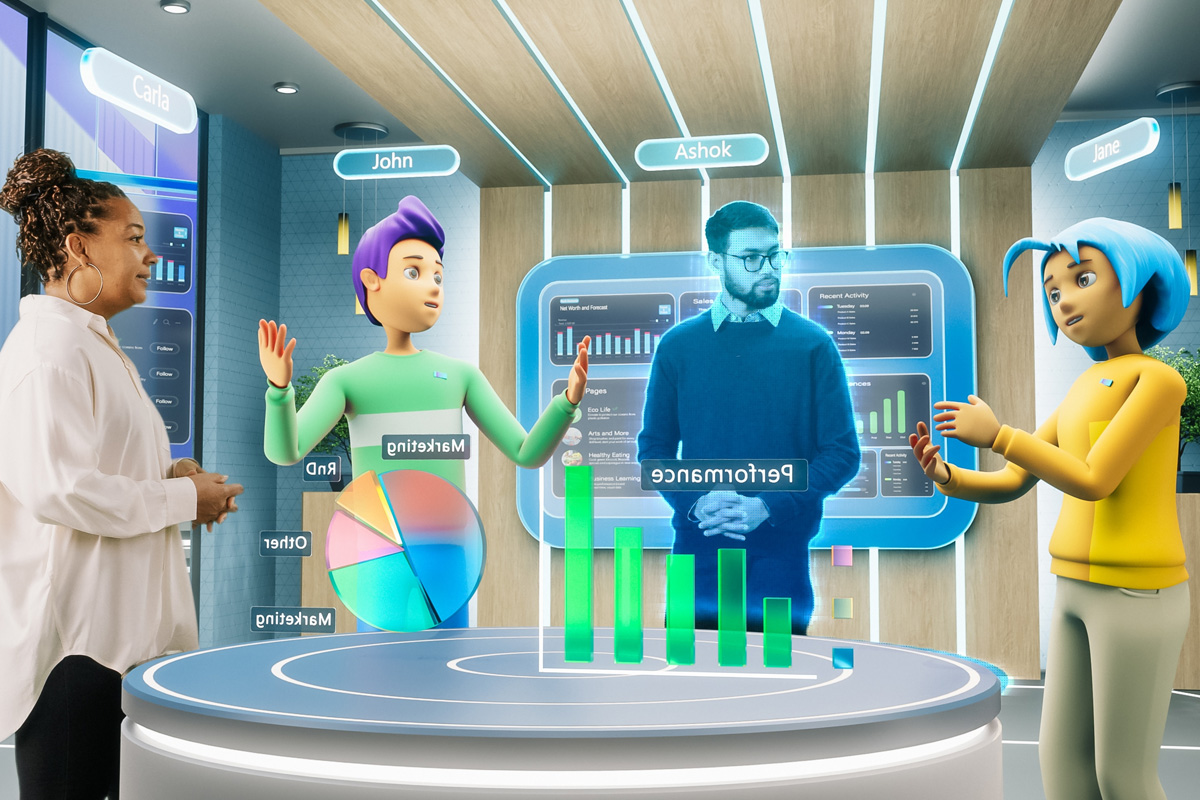
元宇宙提供了更加身臨其境的工作和會議環境,是未來幾個月值得關注的重要領域。 Nvidia 和 Microsoft 等公司已經在開發用於數字項目協作的元宇宙平台。我們可以期待看到更先進的化身技術的出現,提供看起來與我們在現實世界中一樣的個人化模型,並能夠適應我們獨特的手勢和肢體語言。
公司已經在利用 VR 和 AR 等元宇宙技術來進行入職和培訓,這一趨勢將在明年加速。例如,諮詢公司 埃森哲 已經開始創建一個被稱為“N樓”的元宇宙環境。這個虛擬世界複製了埃森哲的現實辦公室,因此員工和新員工可以無縫執行與人力資源相關的任務。
利用數位孿生技術和 3D 列印彌合數位和實體差距
數位世界和實體世界之間的差距很快就會變得更小,這在很大程度上要歸功於兩個關鍵組件,即 3D 列印和數位孿生技術。數位孿生是現實世界流程、產品或操作的模擬複製品,可以在安全的數位環境中測試新想法。它們被用來在虛擬世界中生產現實生活中的物理對象,以便在各種可能的條件下進行測試,而無需支付現實生活中實驗的高昂成本。經過虛擬測試後,可以使用 3D 技術編輯、改進和列印組件。我們可以期待看到數位孿生的更多使用,從機械和精準醫療保健到汽車和工廠。
一個現實世界的例子是一 級方程式賽車隊,他們已經在使用汽車感測器來收集駕駛數據、天氣狀況和溫度,以監控賽事期間的汽車性能。這些數據從傳感器流式傳輸到數字孿生,從而實現快速的設計更改。然後根據測試結果對汽車零件進行 3D 列印。
IIoT 的進步
Warehouses and factories will continue to adopt autonomous processes as the growing industrial internet of things (IIoT) will see actuators and smart sensors enhance industrial, manufacturing, delivery, supply chain, and logistics processes. We’ll see even more self-driving ships, trucks, and delivery robots. British online supermarket Ocado already uses thousands of autonomous robots and AI to sort, move, and lift products in its automated warehouses. Ocado is now rolling out this autonomous technology to other grocery retailers, so we can expect it to become widely adopted soon.
數位免疫系統
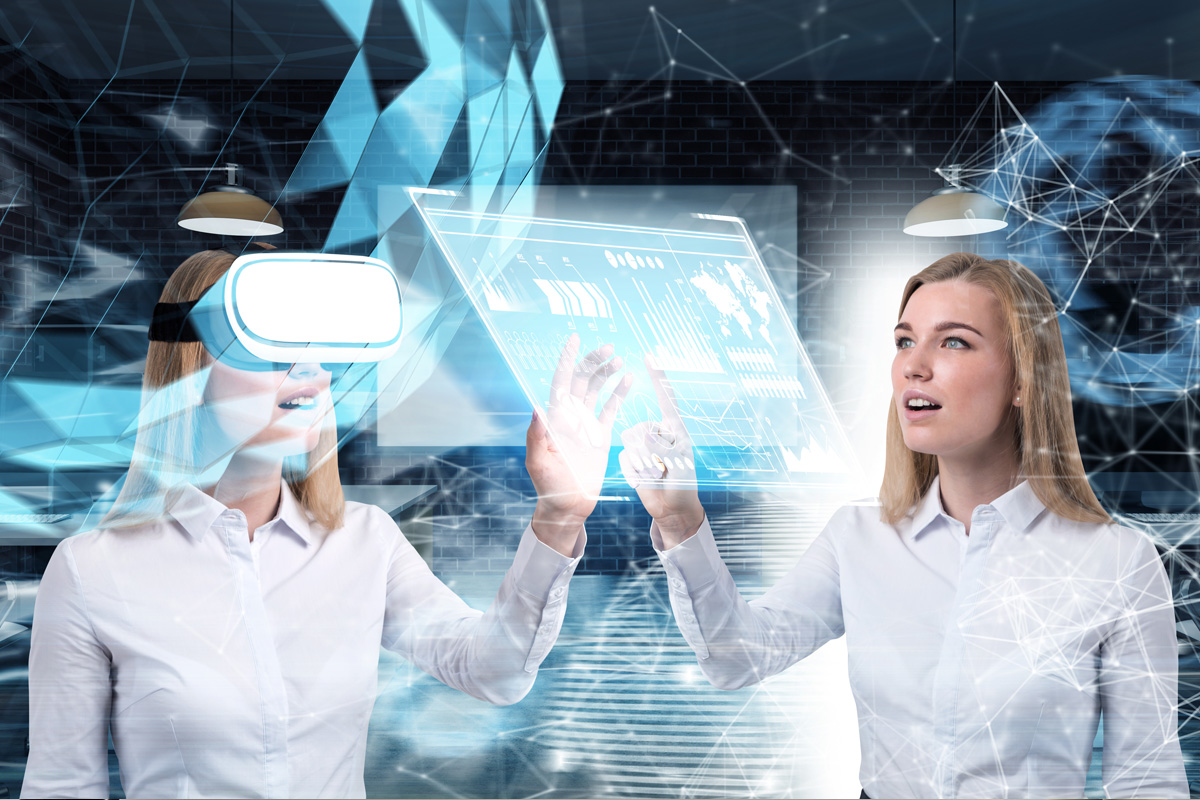
數位免疫是一種新興的技術趨勢,對於希望創建安全軟體開發、提高效率、增加商業價值和獲得競爭優勢的企業和組織來說,它正日益成為策略優先事項。 數位免疫系統 (DIS) 利用各種技術和實踐進行自動化、開發、軟體設計、操作和分析。它利用這些來創造卓越的使用者體驗、減少系統故障、管理風險、維持服務並維持業務連續性。根據 Gartner 的數據,投資數位免疫系統的企業可 減少 80% 的停機時間。
健康監測穿戴式裝置
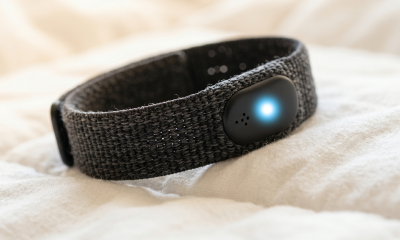
Health wearables are already transforming the way individuals and healthcare practitioners monitor health. Around 30% of US adults already use wearable health devices, while half use a device daily for complex health issues. No longer just for counting hours slept and steps walked, smart connected wearables can now include real-time biometrics such as blood glucose and insulin levels.
在未來幾個月,人工智慧將繼續在解釋健康數據方面發揮更重要的作用,並更好地使醫療保健從業人員和患者能夠更快、更有效地根據這些資訊採取行動。
Ambiq 如何貢獻
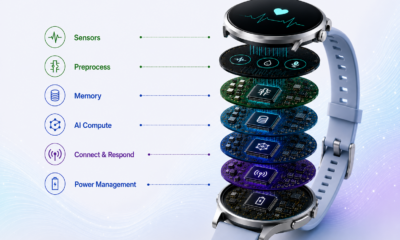
For thirteen years, Ambiq has been laser-focused on inventing and delivering the most revolutionary system-on-chip (SoC) solutions in the market. Ultra-low power SoCs from Ambiq® extend the processing capability and battery life in wireless devices and advanced wearables, enabling a more robust experience.
Through the advanced Sub-threshold Power Optimized Technology (SPOT®) platform, Ambiq has helped many leading manufacturers worldwide create products that can operate for days, months, and sometimes years on a lithium battery or a single charge. Visit https://ambiq.com/wearables for more information.