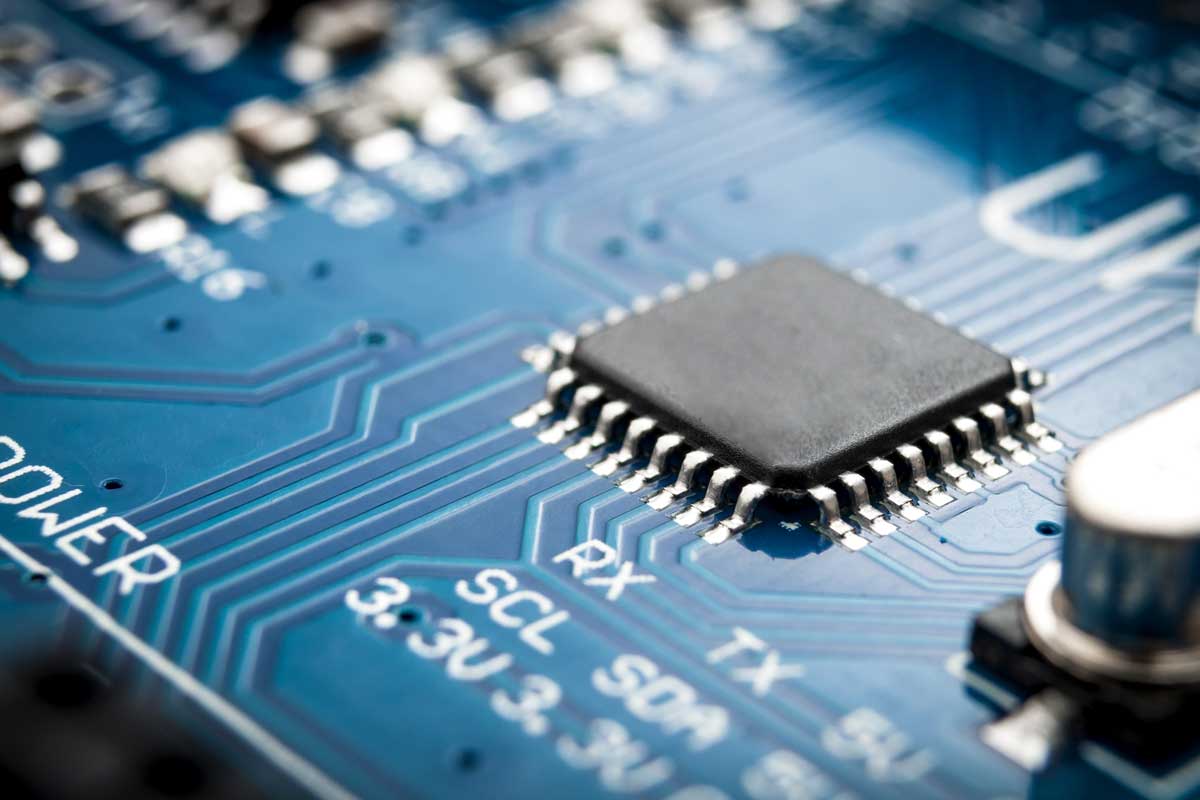
微處理器是結合增強智慧和功能的典型代表,對空間和功率的需求非常小。它使我們每天依賴的物聯網 (IoT) 設備成為可能。雖然基本級微處理器曾經只允許文本編輯、快速計算和互聯網通信,但如今的微處理器提供了各種可能性,從聲控智能家居設備到可穿戴健康追踪器。
微處理器的歷史
The microprocessor was first developed in line with Large-Scale Integration (LSI) in the 1970s. At this time, tiny 5mm silicon chips, complete with thousands of components, were introduced to the technology market. As a result, the Intel® 4004 microprocessor was developed and released in 1971. In the 1980s, Very-Large-Scale Integration (VLSI) led to an even higher circuit density for microprocessors. By the 2010s, the same chips were holding millions of components, revolutionizing the possibilities for smart devices.
第一個微處理器
英特爾 4004 改變了計算的面貌,即使最初只是間接的。它克服了當時阻礙技術進步的許多限制。當 Federico Faggin 開始為 Intel 4004 制定計劃時,最初被認為幾乎不可能實現。其革命性的功能包括:
- 2300 個隨機邏輯晶體管,採用 5mm 晶片
- 速度是傳統 CPU 的五倍
- 兩倍的電路密度
- 緊湊的尺寸
- 低功耗
- 便攜式 發熱少
Intel 4004 最初被設計為四芯片系列中的 CPU,旨在用於一系列新的數字計算器;但一旦其真正的潛力被實現,它就獲得了英特爾的許可,可用於非計算器設備。雖然 Intel 4004 微處理器最初用作 Busicom 計算器的一部分,但後來成為 Intellec 4 和 Intellec 8 計算機不可或缺的一部分。幾年後,第一款微處理器控制的彈珠遊戲誕生了。經過用戶反饋和進一步開發,微處理器經歷了一系列迭代,直到發明了8位英特爾8080,開啟了個人電腦的發展。
微處理器發生了怎樣的變化?

微處理器剛開發出來時,對大型機和小型電腦的開發影響很小。即使在個人電腦推出後,與當今多樣化的數位生活方式相比,它們的用途也相對較少。
隨著微處理器經歷 4、8、16、32 和 64 位演進,其功能不斷發展。引腳封裝、能效、速度和數位化 RAM 的升級使它們適用於整個市場上的更多用途,從任天堂® 遊戲機和雷射印表機,到桌上型電腦、筆記型電腦,以及最終我們目前使用的知名作業系統。
如今,微處理器的功能幾乎是無窮無盡的,在 Ambiq®,新產品的開發不斷超出預期。大多數物聯網設備都是電池供電、移動且高性能的,因此微處理器需要適應,以便在使用更少的功耗的同時更高效地運行。自 1971 年微處理器首次開發以來,用戶配置文件以及優先級已經完全改變;現在,重點是:
- 能源效率
- 更快的開發
- 增強的圖形
- 額外的安全性
- 更快的運算
At the heart of the microprocessors produced at Ambiq is SPOT®, or Sub-threshold Power Optimized Technology, which is a proprietary platform that is redefining energy efficiency by offering before unseen low power potential. By reducing the total system power consumption three to five times lower than conventional circuit design, SPOT enables the possibility of enabling intelligence on any battery-powered edge device.

現代微處理器
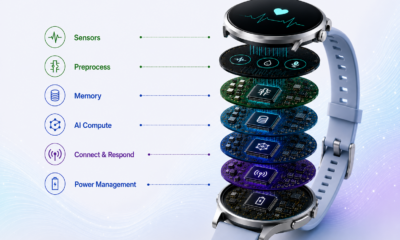
With the rise of smartwatches, fitness bands, far-field voice remotes, and predictive health devices, Ambiq is working on SoCs (system on chips) to cater to these advanced and varied modern needs. The Apollo4 SoC has been purpose-built for exactly these instances. It can handle complex algorithms and neural networks to store large amounts of data and maintain smooth graphics. The Apollo4 family of chips uses the SPOT platform to offer a complete hardware and software solution, creating a new standard for performance that doesn’t drain the battery life of IoT devices.
特點包括:
- 超低功耗睡眠模式
- 始終在線的音頻和降噪算法
- 2/2.5D 圖形加速器和 32 位元色彩支援
- 使用 AmbiqSuite SDK 進行開發
- 低功耗通訊連接埠secureSPOT® 技術
The Apollo4 Blue SoC also offers faster, more reliable Bluetooth® connectivity.
Ambiq 如何提供幫助
Ambiq 交付的產品建立在最初使微處理器如此具有革命性的關鍵原則之上:在需要更少的功率和資源的同時擴展可能性的想法。在此過程中,Ambiq 響應了當前市場的優先事項,並開發了引領趨勢、實現更快技術進步並為用戶提供他們一直要求的功能的微處理器。Ambiq 的超低功耗解決方案,包括 SPOT 和 Apollo4 系列 SoC,可降低邊緣 AI 的功耗,並使其成為全球數十億個電池供電的無線物聯網設備的可能性。Ambiq 解決方案為每個人帶來卓越人工智能的好處。